

The Juggle
Finding Harmony in Parenting and Hand Care: Let’s Balance Things Together!
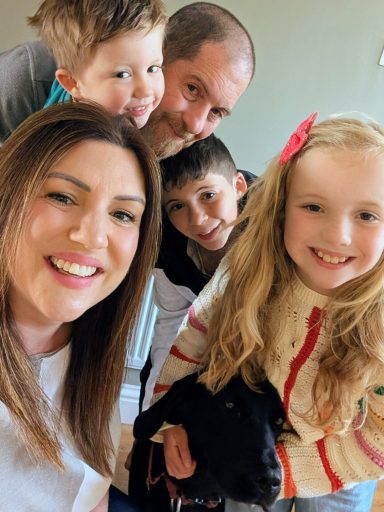
As a full‑time working mum of three; currently negotiating the teen and preschool years alongside each other, I don’t just treat hand pain I live in the trenches with the rest of you!
My days are a glamorous blend of school runs, club taxi, birthday parties (a continual game of would you rather between me and my husband!), food shops, lost shoes/socks/keys/phone, referee and snack magician with the occasional existential crisis in the Tesco car park for good measure. We also have a dog and two cats...I'm asked daily for a horse!
One of my children has additional needs, so I see those parents the ones running on no sleep, high alert, and sheer determination; the form filling... the loneliness. The ones who can carry a child, a bag of shopping, a sensory toolkit, and a cup of tea that they will absolutely not get to drink. I see you. I am you.
I also specialise in hand therapy. So yes I know exactly what your thumbs, wrists, and fingers are going through. Parenting is basically an extreme sport, minus the medals, awards for effort and with significantly more laundry.
The helpful bit.
Why parents are so prone to hand and wrist pain.
We flippin' love our children but many parenting responsibilities are repetitive, often rushed, and usually done with awkward posture. The most common patterns we see in clinic include:
- Thumb pain from lifting children under their arms.
- Wrist strain from pushing prams or supporting weight during play... 'catch me!'
- Night waking due to tingling and numbness from poor position due to bed hoggers, or feeding at night
- Finger stiffness/ clicking from constant gripping (bottles, toys, bags, car seats, Lego!)
- Forearm fatigue and aches from multitasking while carrying a child and/or car seat
These aren’t signs of weakness! They’re signs of overuse, not prioritising ourselves, poor conditioning and they’re absolutely treatable.
Lift smarter, not harder.
I've suggested a few simple tweaks to protect your thumbs and wrists:
- Scoop, don’t pinch; lift children by placing hands under their bottom or around their trunk, not under the armpits
- Switch up the breastfeeding holds; rugby, side-lye, cradle.
- Keep elbows close to reduce strain on the wrist when lifting.
- Use your legs and bend your knees instead of hinging from your back and relying on your hands to lift.
- Use a rucksack to carry the parenting to spread the load across strong joints
- Invest in a Lego splitter gadget!
- Switch to 'pull-ups' when they reach the escapee dancing octopus stage of nappy changing to reduce pinch grip and prolonged poor posture.
If you’re lifting a child 20 times a day, these changes add up fast
TIPS for everyday parenting tasks
These tiny adjustments reduce load without slowing you down:
- Car seats: Use two hands and keep wrists straight when clicking/un‑clicking
- Prams: Adjust the handle height so your shoulders stay relaxed; hand pain is often originating from further up the arm.
- Bottles and cups: Choose wider handles or silicone grips to reduce finger strain
- Nappy changes: Bring the baby to you; don’t hover in a twisted position
- Taxi service, adjust the seat and steering wheel so your joints are in 90degrees and not overstretched positions.
Adapt and Adopt new habits gradually to have more chance of sticking to it....its hard to another thing and we get that.
Your hands deserve ergonomics too!
Three exercises you can do in under 30 seconds
Perfect for nap time, school‑run queues, on the loo, while the kettle boils or an excuse for 5minutes!
- Wrist circles: gentle, slow, both directions
- Thumb stretch: slide your thumb across your palm and hold
- Finger glides: straighten, hook, fist, tabletop, full fist
These keep tendons moving smoothly and reduce stiffness.
Add in some distraction and gentle massage and heat (another excuse for a cuppa) to ease those joints after a busy day.


When parenting meets neurodiversity and disability
For families supporting children with additional needs, hand load can be even higher, personal care tasks, cleaning, tiredness, restraint, increased lifting, more hands‑on regulation.
Predictable routines, sensory‑friendly tools, and pacing strategies can reduce strain for both you and your child.
When to seek help
If you notice:
- Pain that lasts more than a few weeks
- Difficulty gripping, lifting, or twisting
- Clicking, locking, or swelling
- Numbness or tingling
- A specific task that you can't avoid but know is causing you pain; let's unpack that together.
Early support prevents long‑term problems and ensures you continue to be your fabulous self, balance is restored and the snacks are ready!
Final thought
Your hands are doing the work of love every day. Looking after them isn’t indulgent it’s essential but takes practice. With a few small changes, you can protect your hands, reduce pain, and keep doing the things that matter most.
Your appointment will always be offered without judgement, by someone who really gets it!
There may even be a hot cuppa!
Laura x